





Vibro-compaction for ground improvement
Contents |
[edit] Introduction
Vibro-compaction is a ground improvement technique that can be used to transfer structural loads to suitable levels in poor ground conditions. The effect of vibration consolidates and strengthens the ground, helping to compact non-cohesive soils such as sand that would otherwise be unsuitable for construction. Since cohesive soils don’t respond to vibration, this process is not suitable for those ground conditions.
It can be a cost-effective alternative to piled foundations and grouting and can be used for structures such as buildings, embankments, dams, tanks, towers and so on. However, the site must be large enough to accommodate and justify the plant that is required. By consolidating loose sands before construction of raft foundations, this method may be more economical than piling.
Another similar method is vibro-replacement.
[edit] Technique
Vibro-compaction works by using a vibrator suspended from a crane to penetrate to the design depth. Water jetting is often used to aid penetration. The energy of the vibrations reduces the forces acting between the soil particles which allows them to become denser.
Once the depth has been achieved, the water pressure (if jets are used) is reduced and sand infill poured in from ground level around the vibrator, compacting at the base. As more infill is added and compacted the vibrator is gradually removed until the infill has been built up to ground level.
Vibro-compaction can be used in loose soils of up to 29 metres in depth, and enable shallow foundations to be built with bearing pressures of up to 500 kN/m2.
[edit] Related articles on Designing Buildings Wiki
- Driven piles.
- Geothermal pile foundations.
- Ground improvement techniques.
- Grouting in civil engineering.
- Micropiles.
- Pile foundations.
- Retaining walls.
- Screw piles.
- Soil compaction.
- Types of roller.
- Underpinning.
- Vibro-replacement.
[edit] External references
- ‘Introduction to Civil Engineering Construction’ (3rd ed.),HOLMES, R. (1995), The College of Estate Management
- Hayward Baker – Vibro-compaction
Featured articles
Check out some of the best features and news from Designing Buildings as well as key stories from around the web.
Construction Management, 8 July

NEETs crisis drives interest in trades, but apprenticeships barriers remain.
Passive fire protection webinar
MEP services penetration seals.

Where its at podcast (and video) - The role of the Architectural Technologist as an Expert Witness.
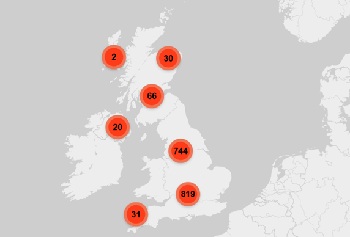
More than 200 remarkable buildings added to SAVE’s Buildings at Risk register.

Government scraps pre-application consultation for Nationally Significant Infrastructure Projects.
Historic England and infrastructure
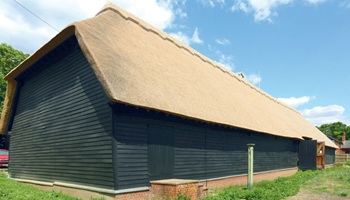
New projects offer opportunities for the historic environment and local communities.
Construction Management, 2 July

Construction deaths halve in two years.

Green Book changes to drive investment in all parts of UK.
Minimum energy efficiency standards (MEES)

CIAT briefing on response to consultations for privately rented non-domestic properties.
Connect, collaborate, shape the future

Registration now live for UK Construction Week Birmingham.

CIOB announces Saul Humphrey FCIOB as new President for 26/27 term.

A quick, simple, and zero-bills solution to prevent overheating.